

This post contains affiliate links. If you buy through them, ModeMantra may earn a small commission at no extra cost to you.
Standing in front of the closet wondering whether that top goes with those pants is one of the most common style frustrations. The good news: matching colors is not a talent you are born with. It follows a few simple rules, and once you know them you can build outfits in seconds. Below are the rules stylists use, plus 12 color combinations that always work, each shown on a real model.
Quick Answer
- Neutrals go with everything: black, white, ivory, beige, camel, gray, navy, brown and denim.
- Use one statement color plus neutrals if you are unsure. It is the hardest formula to get wrong.
- Pair colors that sit next to each other on the color wheel (like burgundy and pink) for a soft look, or opposites (like blue and orange) for a bold one.
- Follow 60-30-10: about 60% main color, 30% second color, 10% accent.
- Not sure? Test it on a model in our free Outfit Color Matcher.
The 3 Rules Behind Every Good Color Combination
Rule 1: Start With Neutrals
Neutrals are the backbone of a wardrobe because they work with each other and with every color. Navy and denim count as neutrals in American style, and so do camel and chocolate brown. If half of your outfit is neutral, the other half can be almost any color.
Rule 2: Use the Color Wheel
- Monochrome or tonal: different shades of one color (light pink with burgundy). Elegant and lengthening.
- Analogous: neighbors on the wheel (rust with mustard, blue with green). Soft and harmonious.
- Complementary: opposites on the wheel (blue with orange, purple with yellow). Bold and eye-catching; let one color lead.
Rule 3: Balance With 60-30-10
Even good colors can clash if they fight for space. Give one color most of the outfit, a second color about a third, and keep the third color to a small accent such as shoes, a bag or jewelry.
12 Color Combinations That Always Work
Every outfit below was put together in our Outfit Color Matcher, so you can open the tool and try the same colors, or swap in your own.
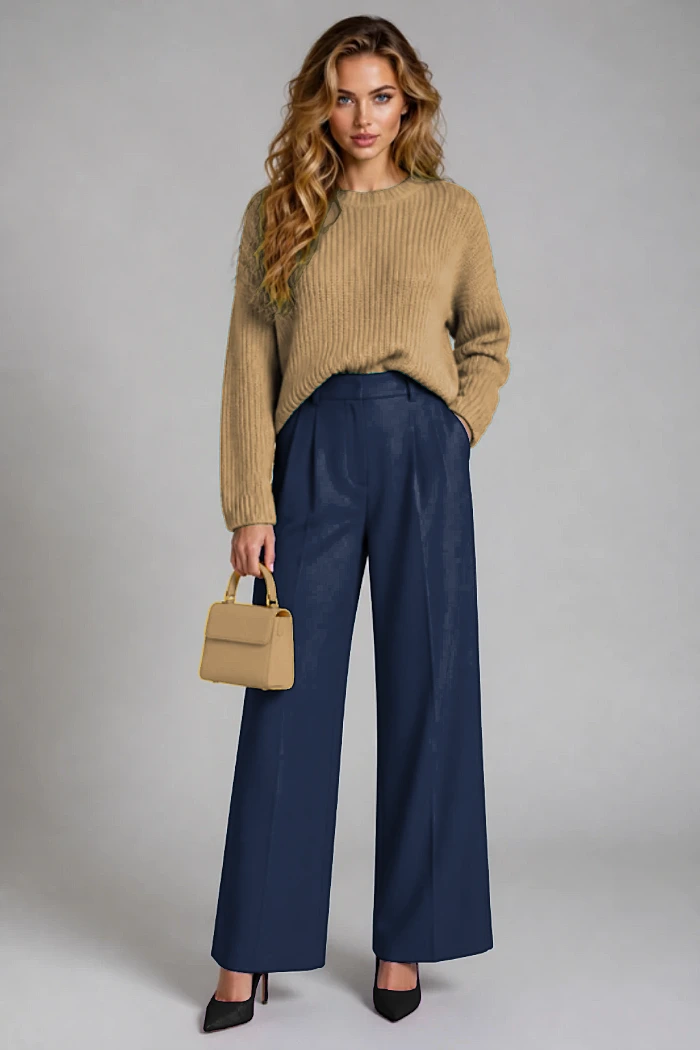
1. Navy + Camel
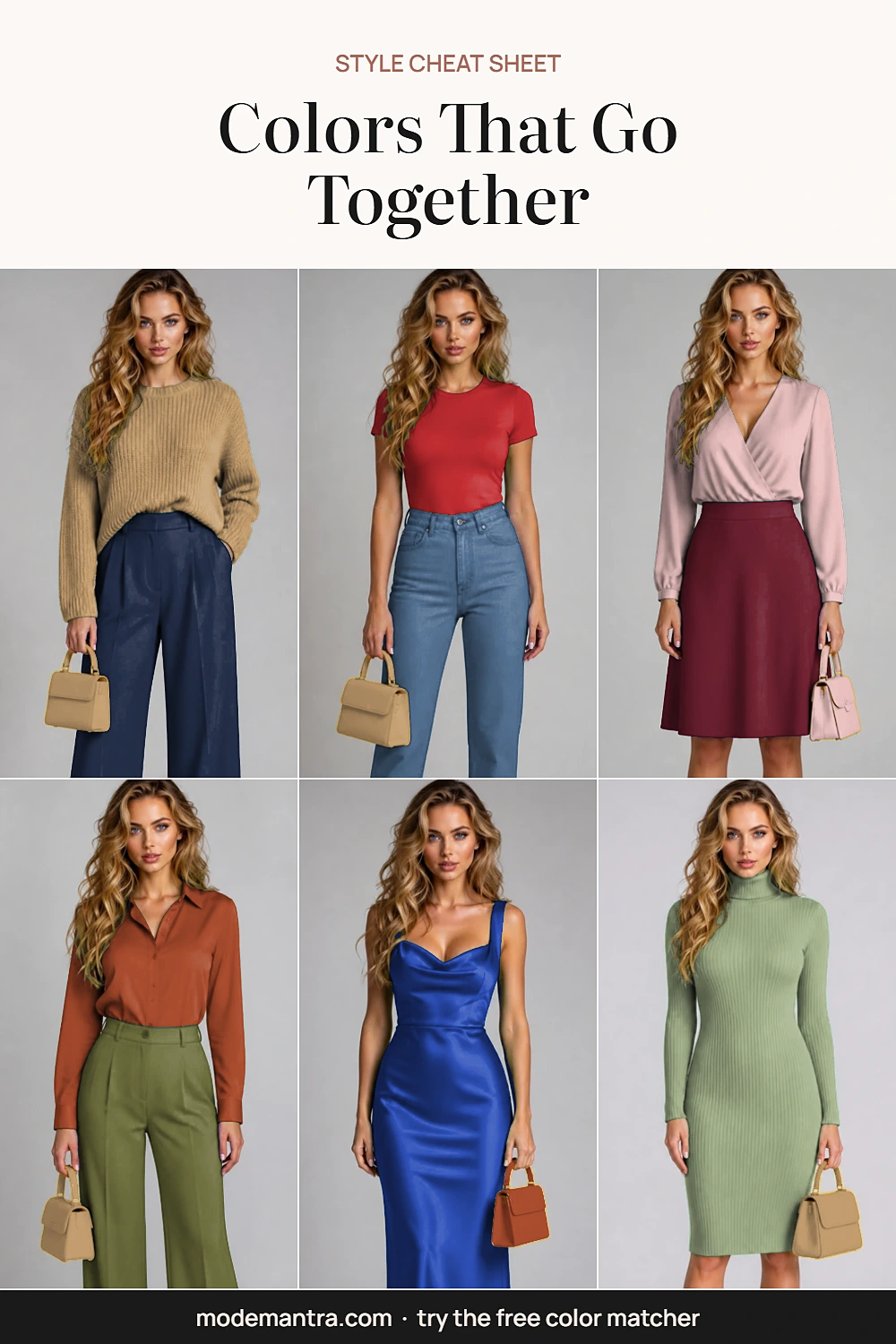
One of the most reliable pairings in American style. Navy is softer than black, and camel warms it up, so the outfit looks rich and calm at the same time. It works for the office, a weekend brunch and a parent-teacher meeting alike.
How to wear it: Wear a camel sweater with navy trousers or dark jeans, then repeat the camel in your bag or belt.
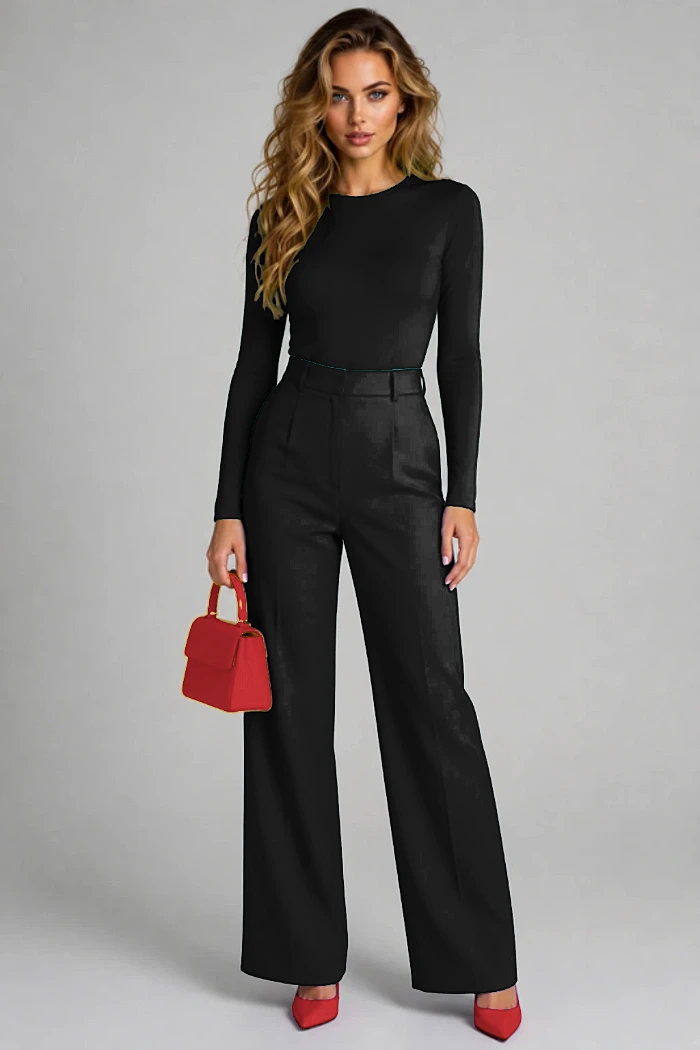
2. All Black + One Bright Accent
A black outfit is easy, but it can look flat. One bright accessory turns it into a deliberate look. Red is the classic choice; cobalt, emerald or fuchsia work too.
How to wear it: Keep the clothes black and put the color only on your shoes and bag, or just your lipstick.
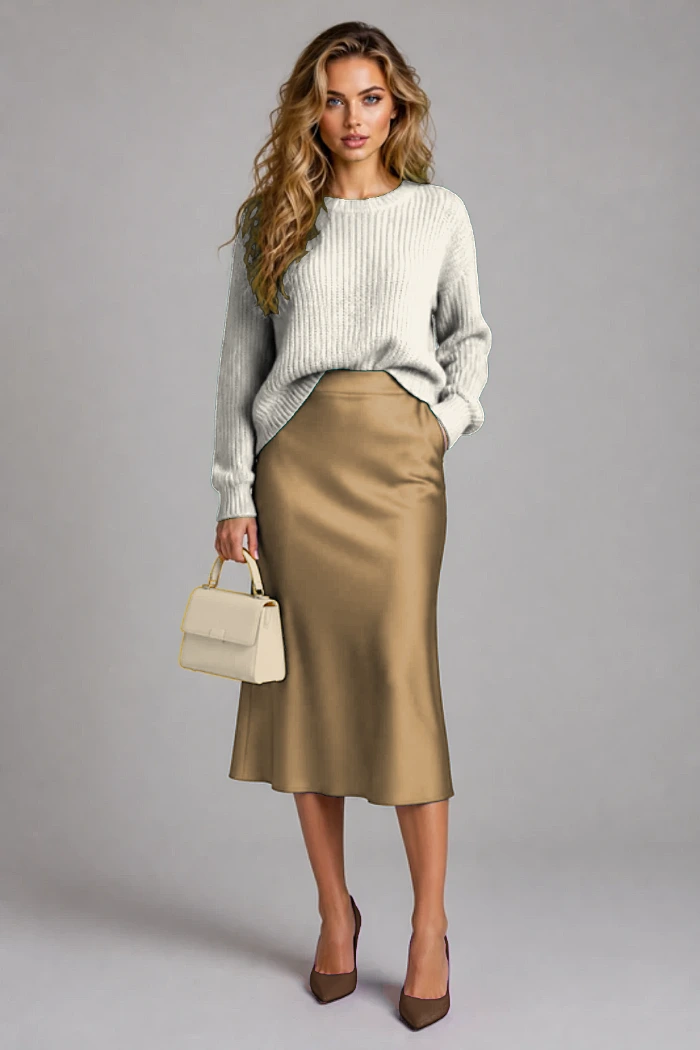
3. Ivory + Camel + Brown (Tonal Neutrals)
Light, medium and dark versions of the same warm neutral family. Stylists call this “tonal” dressing, and it reads as quiet luxury because nothing fights for attention.
How to wear it: Mix textures, such as a chunky knit, satin and leather, so the look has depth.
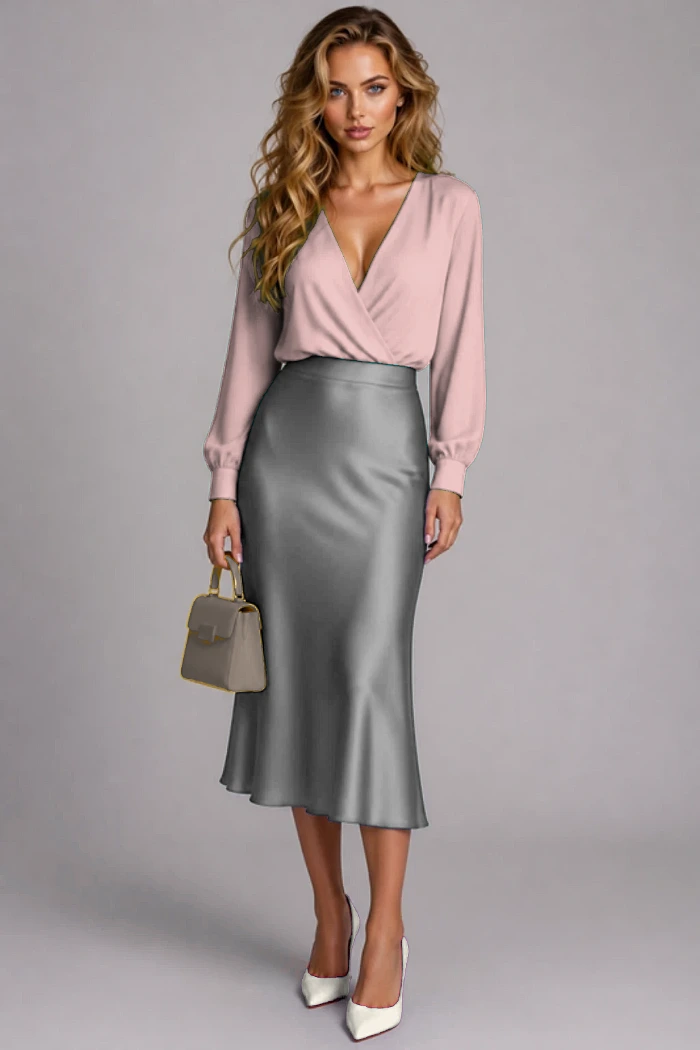
4. Blush Pink + Gray
Soft pink and gray are both muted, so they sit together gently. It is feminine without being sugary, and a smart choice for work.
How to wear it: Choose a cool, light gray with a dusty or powder pink. Silver or pearl jewelry finishes it.
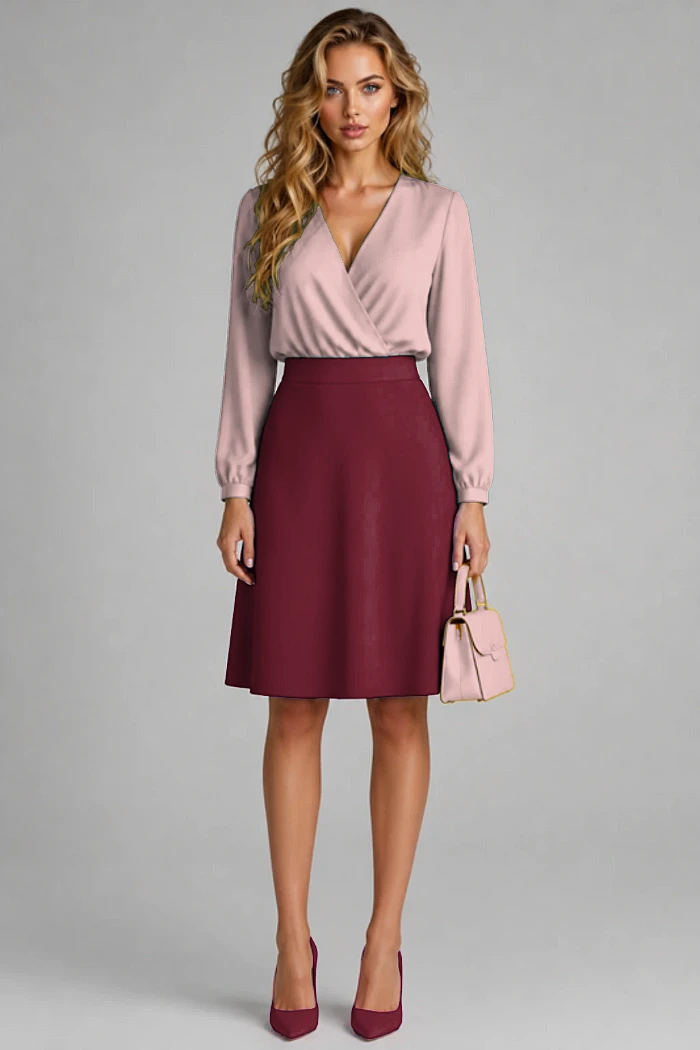
5. Burgundy + Blush
Two shades from the same red family, one deep and one pale. It is a modern take on tonal dressing and looks lovely for holiday parties and Valentine’s Day.
How to wear it: Let the darker shade sit on the bottom half and repeat it in your shoes for a longer leg line.
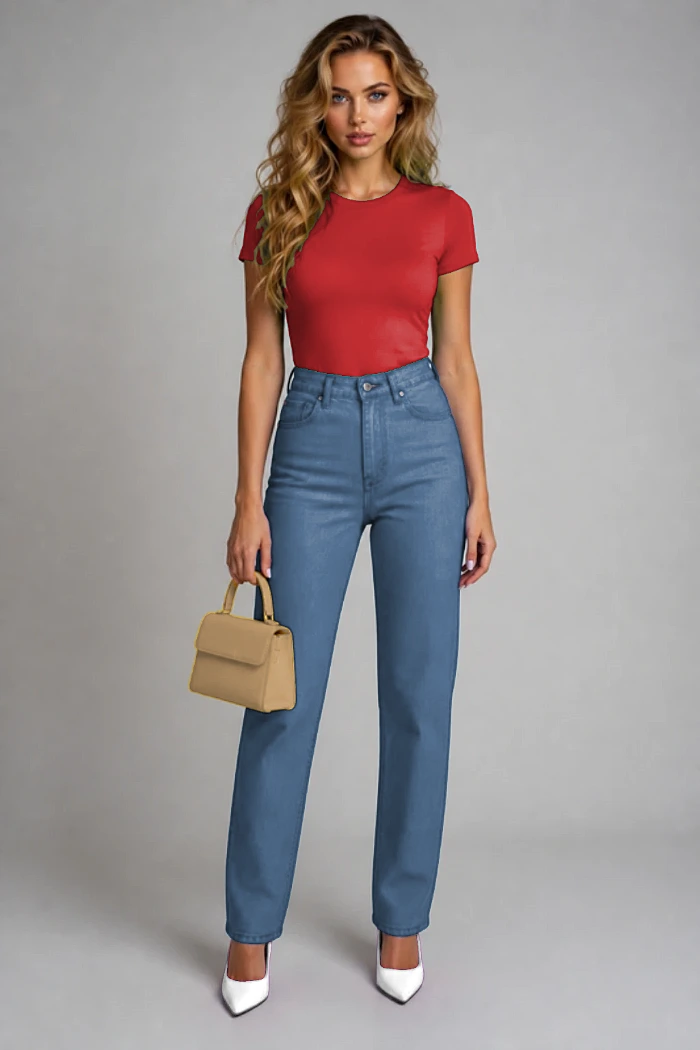
6. Red + Denim
Denim behaves like a neutral, so almost any color works with it. Red is the boldest and most cheerful choice, and it is an easy way to try a bright shade.
How to wear it: A red tee or sweater with mid-wash straight jeans, white sneakers or heels and a tan bag.
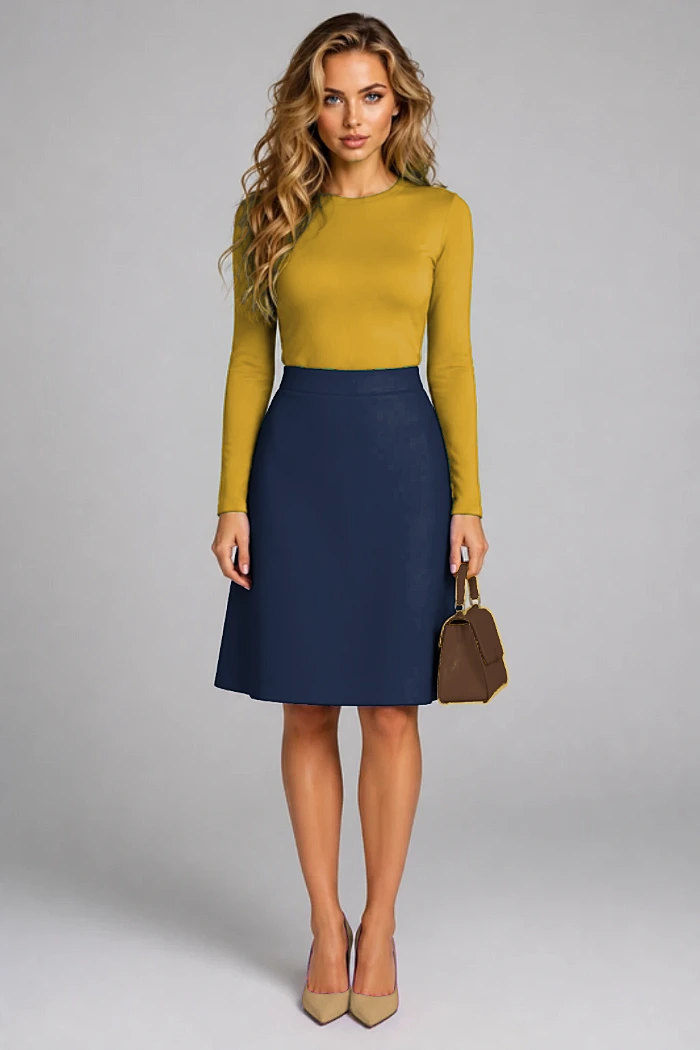
7. Mustard + Navy
Yellow and blue sit almost opposite each other on the color wheel. Using a muted mustard instead of a bright yellow makes the contrast easy to wear, especially in fall.
How to wear it: Mustard on top brightens your face; navy on the bottom grounds the look.
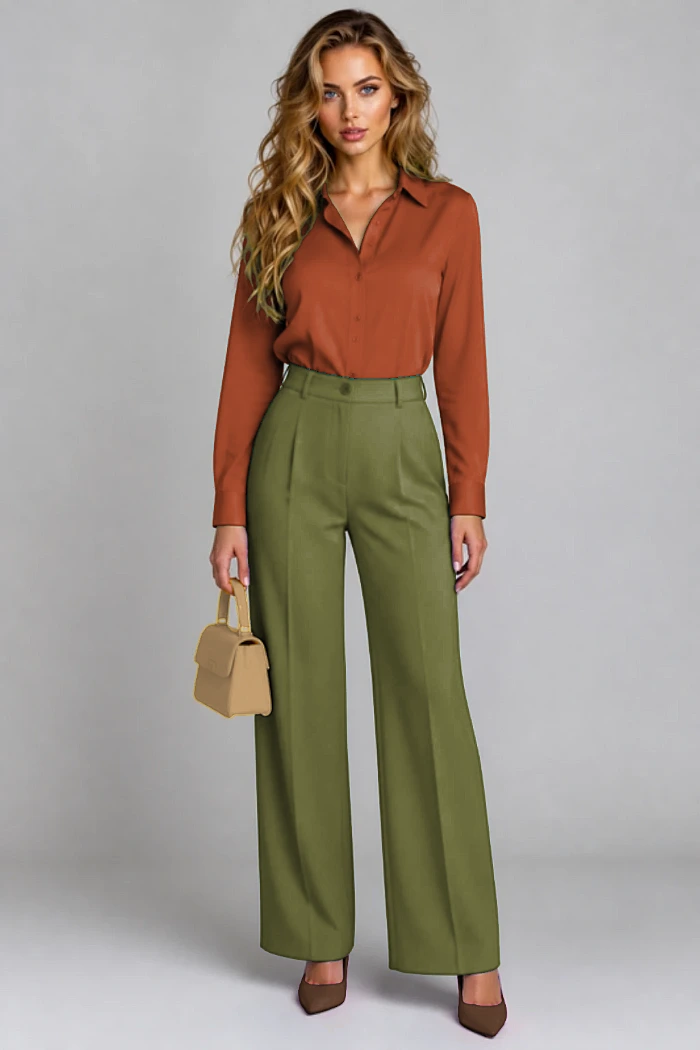
8. Rust + Olive
Two earthy shades that feel like autumn leaves. Because both are muted, the pairing looks rich rather than loud.
How to wear it: Add chocolate-brown shoes and a camel or cognac bag. Gold jewelry suits this palette.
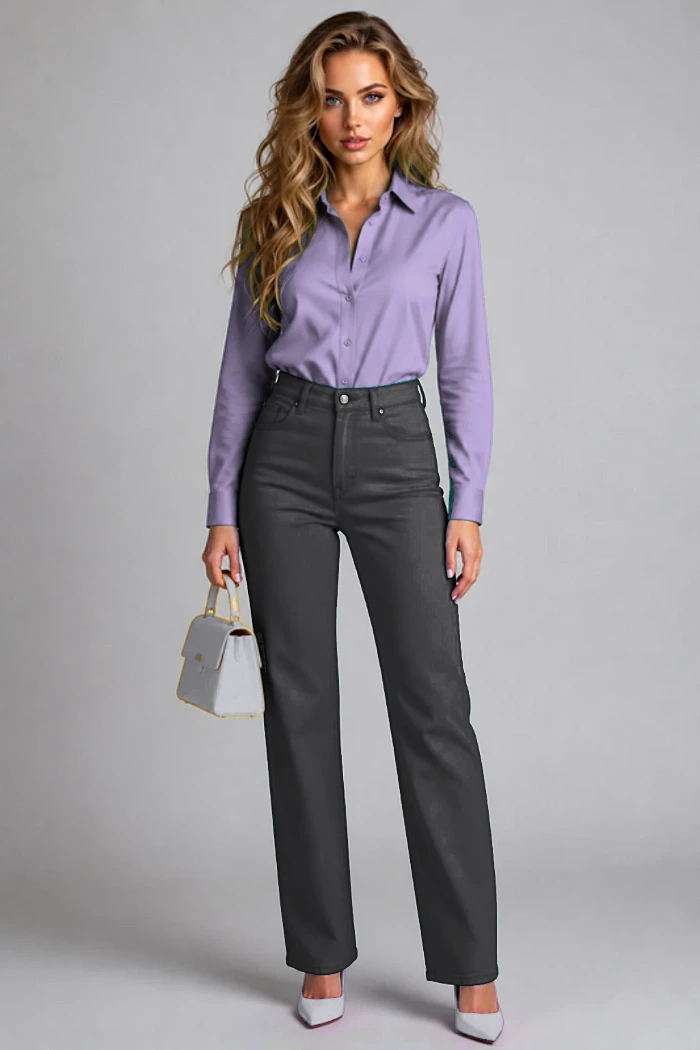
9. Lavender + Charcoal
Lavender is a gentle color that looks fresh against dark gray. It is a good alternative when black feels too harsh with pastels.
How to wear it: A lavender shirt or sweater with charcoal jeans or trousers and silver or white accessories.
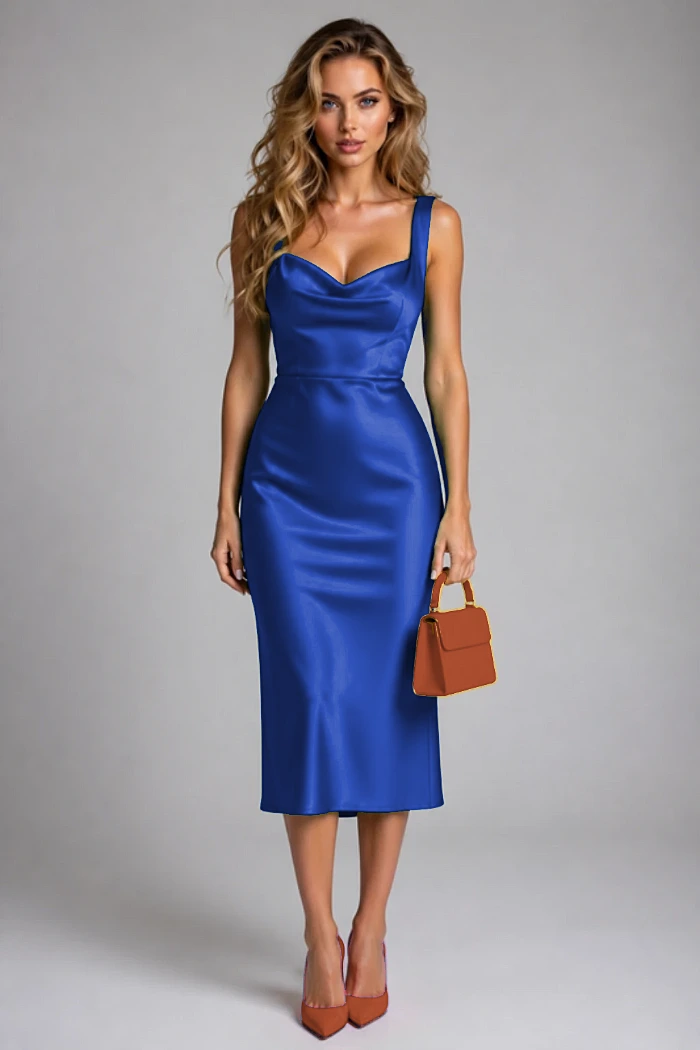
10. Cobalt Blue + Rust
A complementary pair: blue and orange are opposites on the color wheel, so each makes the other look more vivid. It is bold, so let the blue lead and keep the rust to accessories.
How to wear it: A cobalt dress with rust or cognac shoes and bag. Keep the jewelry simple.
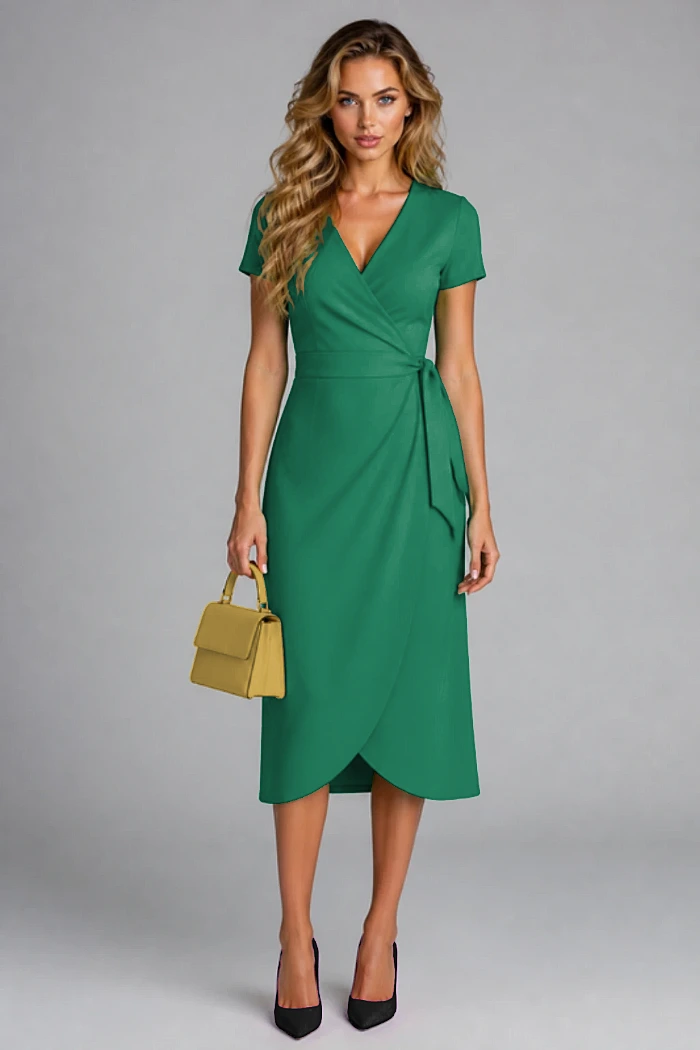
11. Emerald + Black + Gold
Jewel tones look expensive, and emerald flatters a wide range of skin tones. Black and gold frame it for evening.
How to wear it: An emerald dress with black heels and gold jewelry or a gold clutch is perfect for weddings and holiday parties.
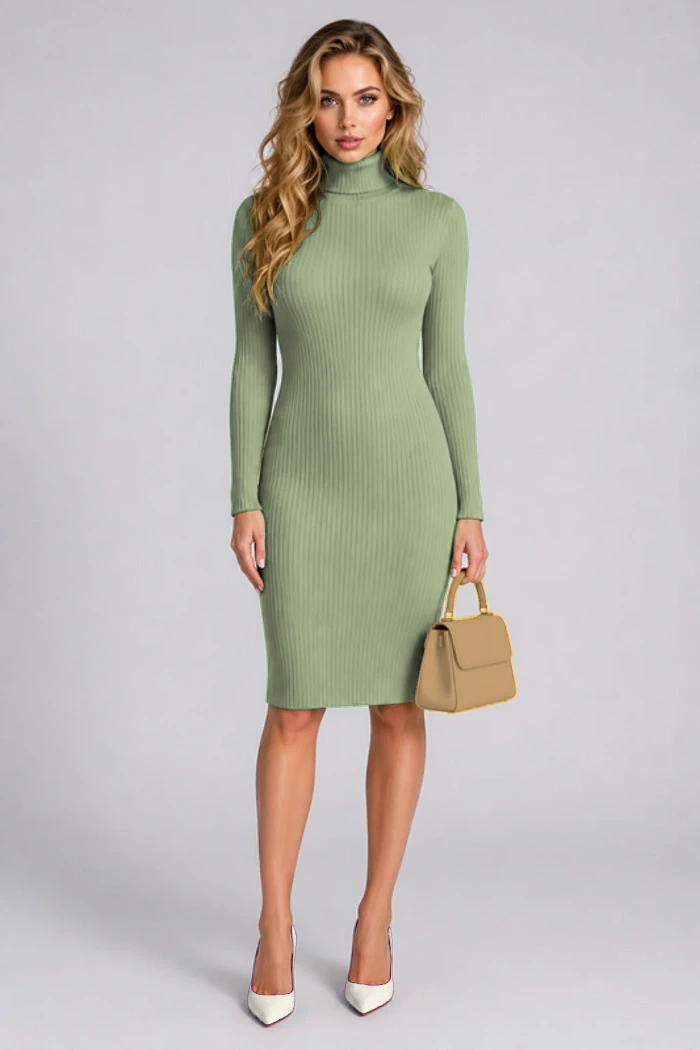
12. Sage Green + Ivory + Camel
Sage is a soft, grayed green that behaves almost like a neutral. With ivory and camel it looks calm, natural and very current.
How to wear it: A sage knit dress with ivory boots or heels and a camel bag works from fall into spring.
Color Combinations at a Glance
| Combination | Mood | Best for |
|---|---|---|
| Navy + camel | Classic, polished | Office, everyday |
| Black + one bright accent | Chic, confident | Dinner, events |
| Ivory + camel + brown | Quiet luxury | Brunch, work |
| Blush + gray | Soft, feminine | Work, showers |
| Burgundy + blush | Romantic | Holidays, date night |
| Red + denim | Cheerful | Weekend |
| Mustard + navy | Warm, bold | Fall days |
| Rust + olive | Earthy | Fall, Thanksgiving |
| Lavender + charcoal | Fresh, gentle | Spring, work |
| Cobalt + rust | Bold contrast | Parties, vacation |
| Emerald + black + gold | Glamorous | Weddings, holidays |
| Sage + ivory + camel | Calm, natural | Spring, daytime |
Combinations to Handle With Care
- Two strong brights that are not opposites, such as bright red with bright purple, often look accidental. Mute one of them or swap it for a neutral.
- Three or more different color families in one outfit usually look busy. Keep it to two colors plus neutrals.
- Navy with black can work, but only when the difference is clearly intentional, for example a navy coat over a black dress.
- Near-matches, two shades that are almost but not quite the same, can look like a mistake. Go clearly lighter or darker instead.
Matching Shoes and Bags to Your Outfit
Your shoes and bag do not have to match each other or your clothes. The simplest options are neutral accessories (black, tan, nude, white or metallic) or accessories that repeat one color from your outfit. A bright shoe or bag is also the easiest, lowest-risk way to wear a trend color. For more ideas, read our guide to comfortable, stylish shoes.
Which Colors Suit You?
A combination can follow every rule and still not be your best look if the colors fight with your skin tone. Take our Best Colors Quiz to find out whether warm or cool shades flatter you most, then use those colors as the “statement” part of your outfits. Planning a look for a specific event? The Look Planner builds a head-to-toe outfit for you.
Save This Cheat Sheet
FAQ
What colors go with everything?
Neutrals: black, white, ivory, beige, camel, gray, navy, brown and denim. Navy and camel are especially versatile because they look softer than black and white.
What is the 60-30-10 rule in fashion?
It is a balance guide borrowed from interior design: about 60% of your outfit in one main color, 30% in a second color, and 10% in an accent color, often your shoes, bag or jewelry.
Can you wear more than two colors at once?
Yes, but it is easier when the extra colors are neutrals. Two colors plus neutrals is the safest formula; three bold colors together takes more confidence.
Do my shoes have to match my bag?
No. Matching looks classic, but it is enough for them to be in the same color family, or for both to be neutral.
How can I check if my outfit colors go together?
Use our free Outfit Color Matcher. Pick your top and bottom (or a one-piece), choose colors for each piece, shoes and bag, and the tool shows the outfit on a model with a harmony score and color suggestions.


Leave a Reply